
We live in a world where vertical content prevails. Where fast paced editing has become a solution for dwindling attention spans and where online trends dictate the reach of an artist and their music.
So how was it we were allowed to ignore (nearly) all of the above and create visuals for what would arguably become one the biggest tours of the past decade?
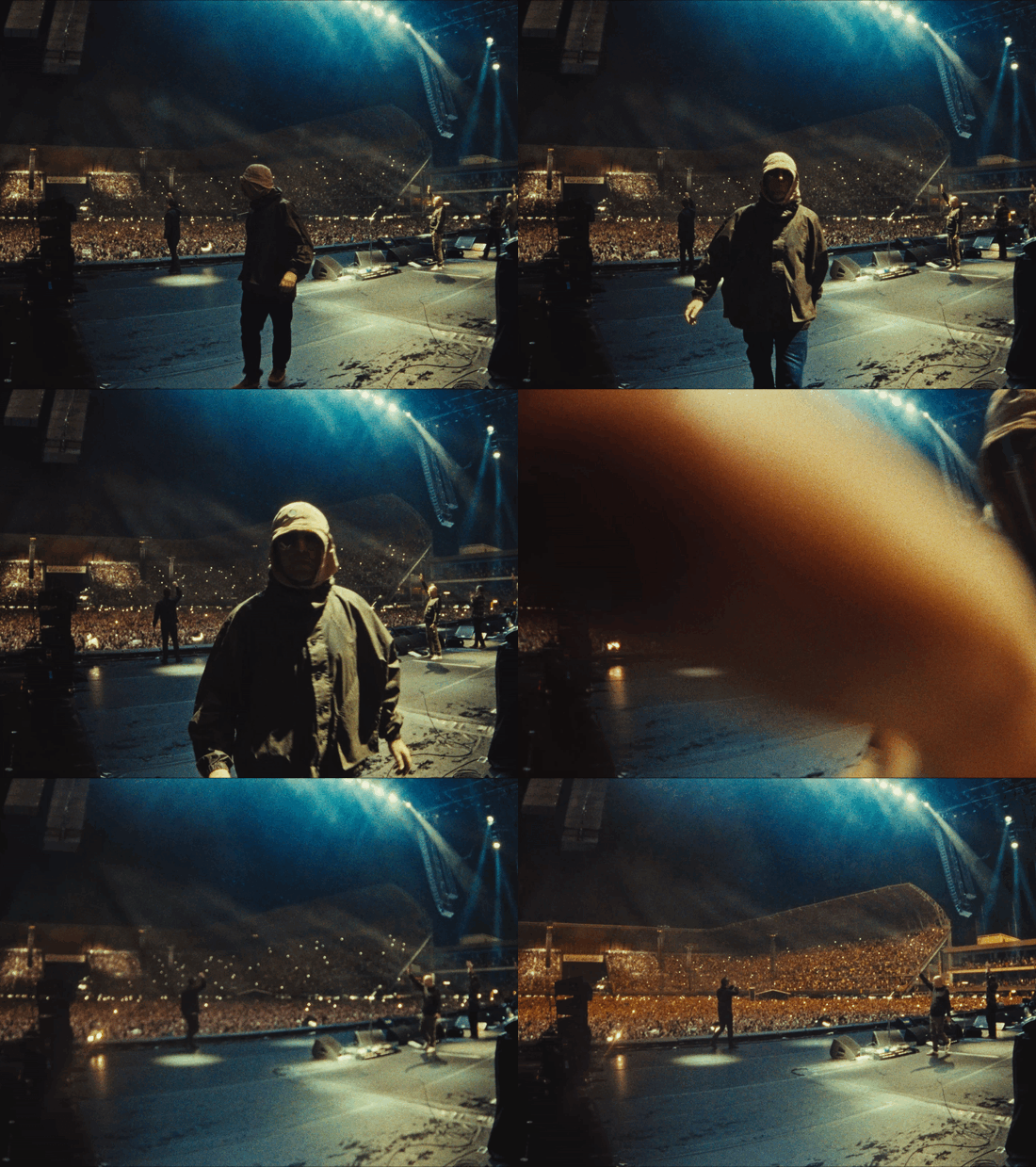
Let’s rewind and find out.
A year ago I posted my first (and ashamedly only) Substack article about my time on the road with Sam Fender during the winter of 2024. It was a reflective look back on why the content looked the way it did whilst I tried to simultaneously distill my creative methodology onto the page. The reason this is so poignant is because the work I made on that tour singlehandedly won me the Oasis Live ‘25 gig, and those same creative instincts continued to serve me throughout the entirety of this project.
When myself and Joshua Halling (Head of Photography) were brought in to the Ignition offices during the early spring of 2025 we had no idea what to expect. In fact no one did. This kind of once-in-a-lifetime-musical-cultural-phenomenon had never happened before. And is likely to never happen again!
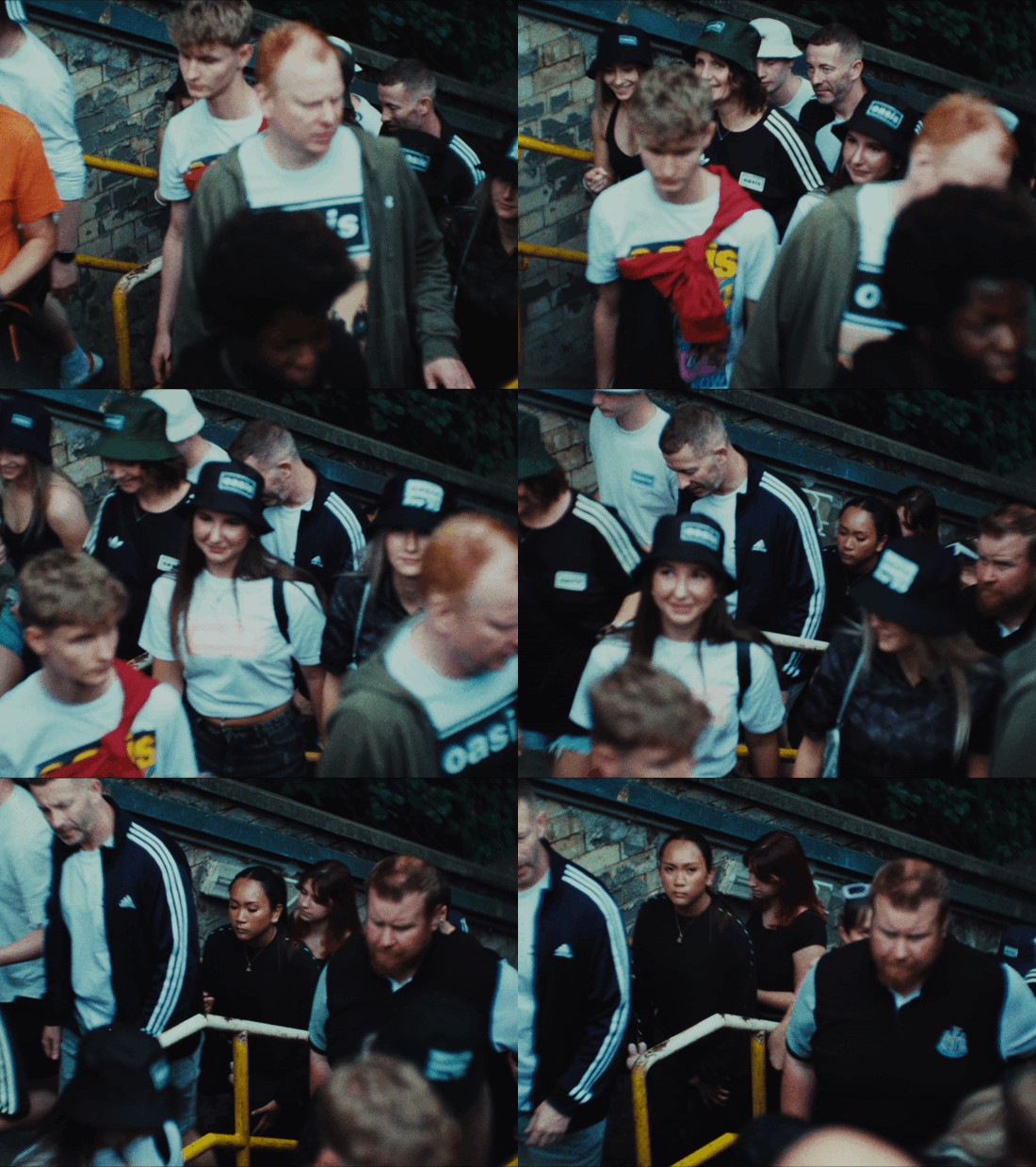
One thing that was for certain however was the fans. No matter what happened on this tour, that was to be our main focus, and it gave us a clear jumping-off-point to base our research and initial visual concepts.
We presented many (many) ideas on how we could capture this tour and roll it out across the various social channels, and the ‘Postcards’ concept was not on any of our pitch decks.
So how did it come to be?
Though the term ‘Postcards’ was no-where to be seen, the components of it were. In particular this short video clip by Jacob Davenport to advertise his brother Elliott Davenport’s book ‘Back On Our Perch’ was a big inspiration -
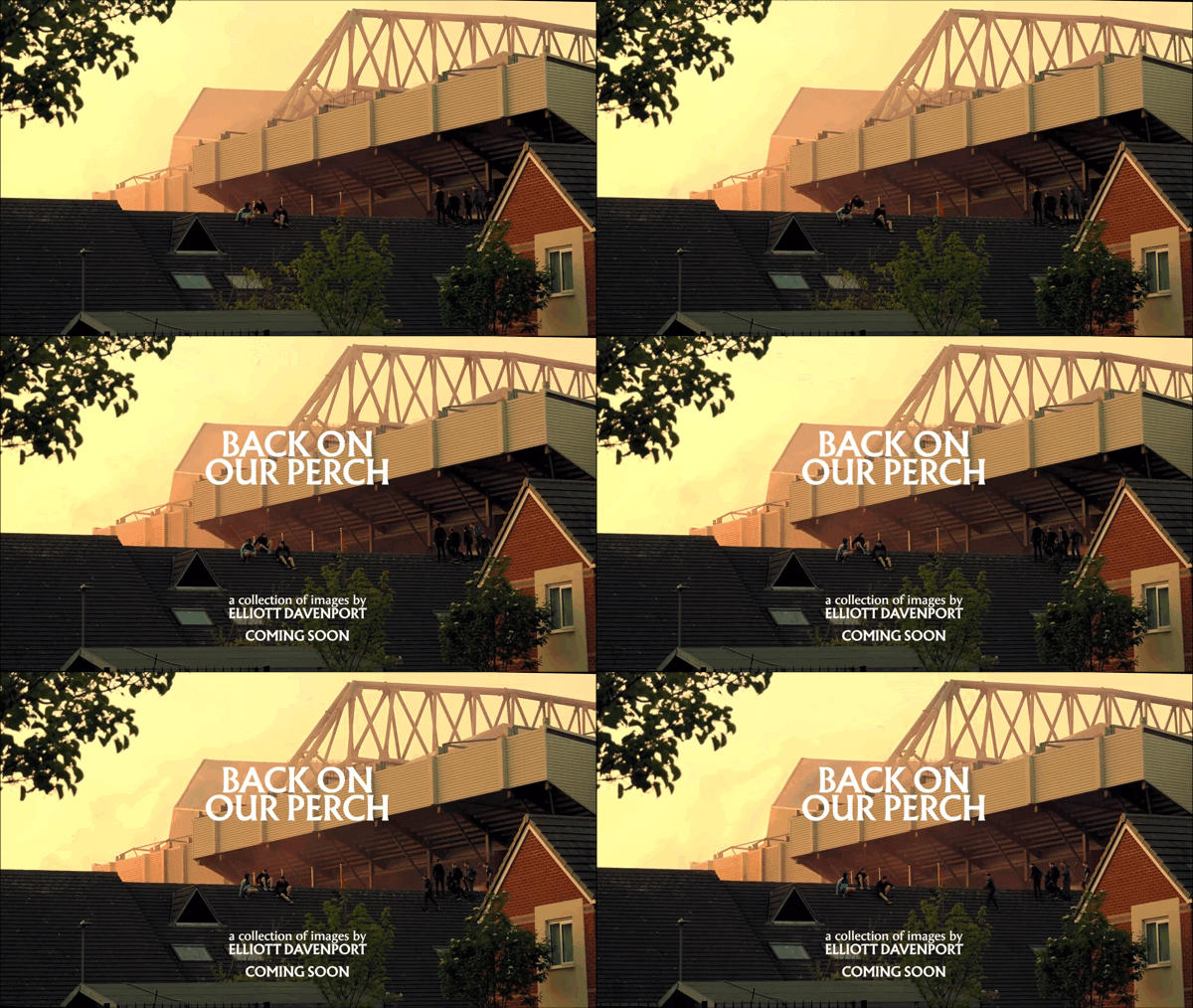
We analysed the reason why it resonated with us so much and found it was because it represented an extraordinary moment happening in amongst the mundanity of the everyday, a breach in the status quo for something significant to take place. Meanwhile this one singular static frame carries the ability to tell you everything you need to know about what’s going on; the towering football stadium, the red smoke, the fans trying to get a glimpse. It’s both beautiful and poignant in the same breath.
In fact football became a huge inspiration for us. From Joshes own work with Manchester United that observed the generational side of the fandom.


To excerpts from Elliott’s book ‘Back On Our Perch’ that placed the camera in amongst the chaos and excitement of a rare cultural event.


Initially, the plan was to embed this inspiration into the visual tapestry of the recap films/after-movies. However, it quickly became apparent that these montage films might begin to lose their potency if released back-to-back, and that a palette cleanser might be needed to offer a different perspective of the same gig.
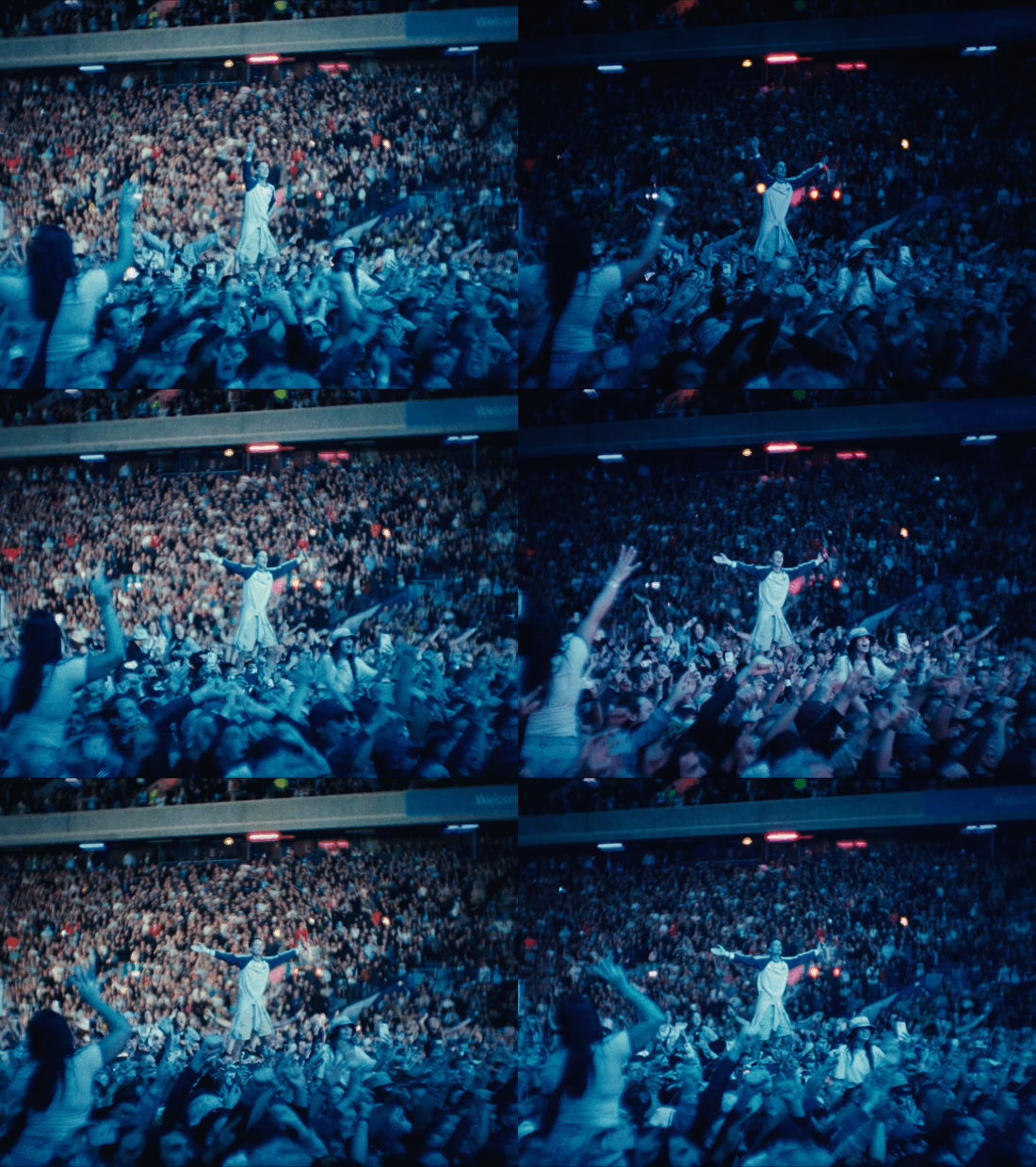
The tour began in Cardiff on July 4th 2025 and our core team grew to include filmmaker Jay Davison and photographer Harriet T K Bols (we would also bring in additional creatives to bolster the film/photography teams for select shows across the tour).
Cardiff sped by like a hurricane, and with it only being two shows there wasn’t a lot of room for us to experiment.
Cue Heaton Park, Manchester - Five shows spread out over nine days. We knew we’d want something fast paced and energetic to sum up the initial two shows that fell on the first weekend, and that there’d be a more substantial recap film to follow at the very end of the block. That left a question mark for the gig that fell in the middle, and it presented the perfect opportunity to try something new.
POSTCARDS.
We’d already seen plenty of interesting characters and unique moments across the first four shows and we knew finding them with the (yet untitled) static-portrait technique would offer us a clear visual juxtaposition to the hectic handheld recap edits that were now circulating online. We also learned that the third Manchester show was going to have a reduced capacity, and in our minds that meant it would likely be a lot more chilled compared to the first two full capacity events (disclaimer - it was no less chilled).
I can’t remember exactly at which point we decided to bring the term ‘Postcards’ into this project, but I can remember the creative who first inspired it.
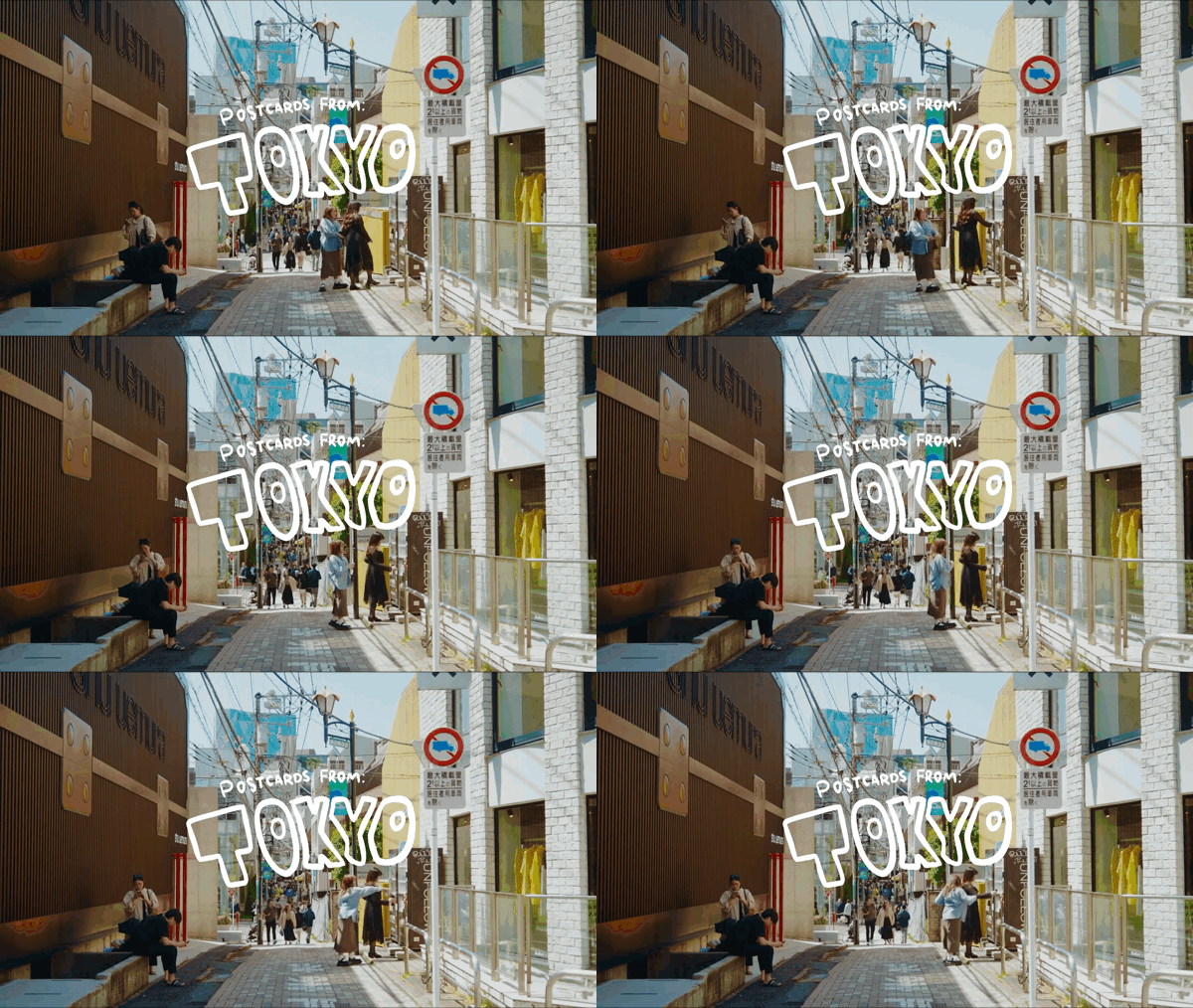
Daiki Shinomiya was the very first person I’d seen use the term ‘Postcards’ for his travel/tourism films way back in 2024. He was a part of a wave of travel-based filmmakers who created a trend online using this word. However it wasn’t something I’d seen done on the same level and with the same discipline in the live music industry.
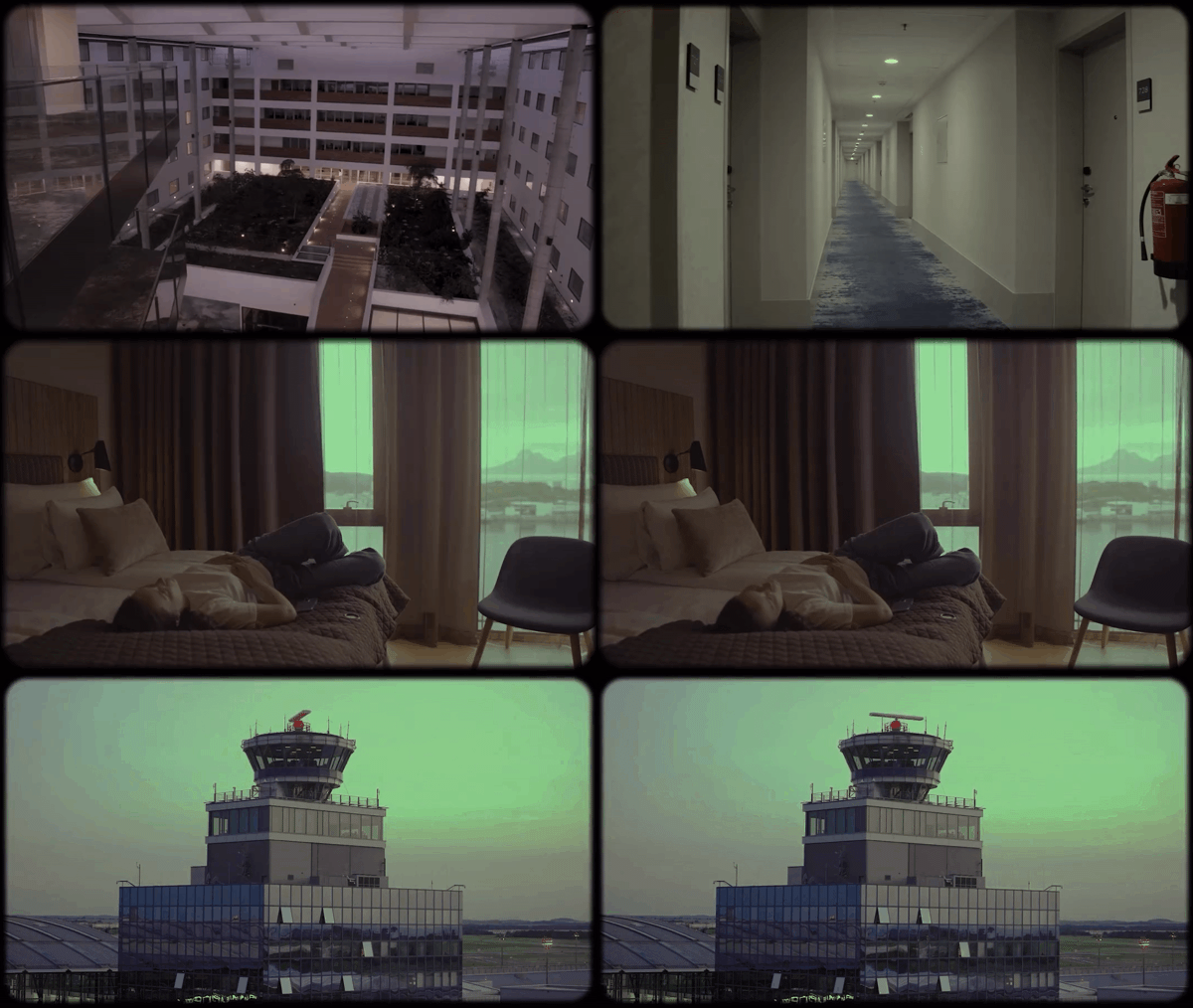
On the lead up to the tour a mutual friend of ours Charlotte Alex had released a short online film for the artist Sigrid called ‘Travel Day’, which was comprised of static vignettes, and reminded me of how powerful stillness can be. Because of this we brought her in to help us on the first day of trying the ‘Postcards’ concept in Manchester.
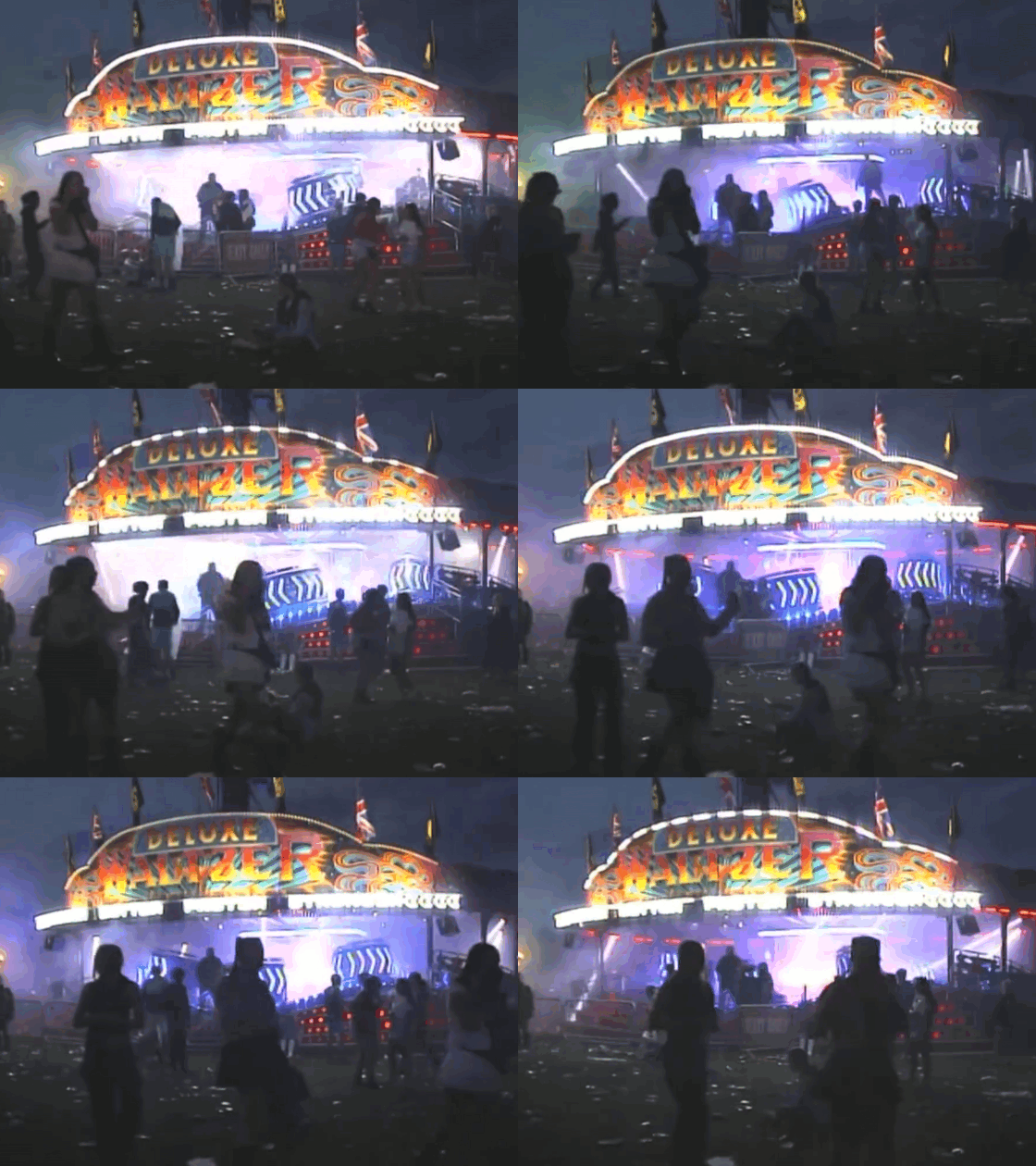
Harriet had also created some lo-fi static vignettes at Parklife Festival which boosted our confidence that this concept could work for the Oasis Live ‘25 campaign.
We learned a lot from our first attempt at the Postcards format, what worked and what didn’t. But I think what surprised us the most was how much it refreshed our enthusiasm for shooting the show. Typically we’d run around for two hours straight trying to make two or three filmmakers feel like a multi-cam team of twenty. Postcards allowed us to really slow down and wait for the moment to happen in front of us, rather than creating it through frantic camera work. It was a game of patience and if you waited long enough you could strike gold.


Of course none of this would’ve mattered if the fans didn’t respond well to it, but after the initial post dropped it was evident that this was exactly what they wanted to see. Every extraordinary moment we captured seemed to resonate, both with the fans who attended the show and the ones who weren’t able too.
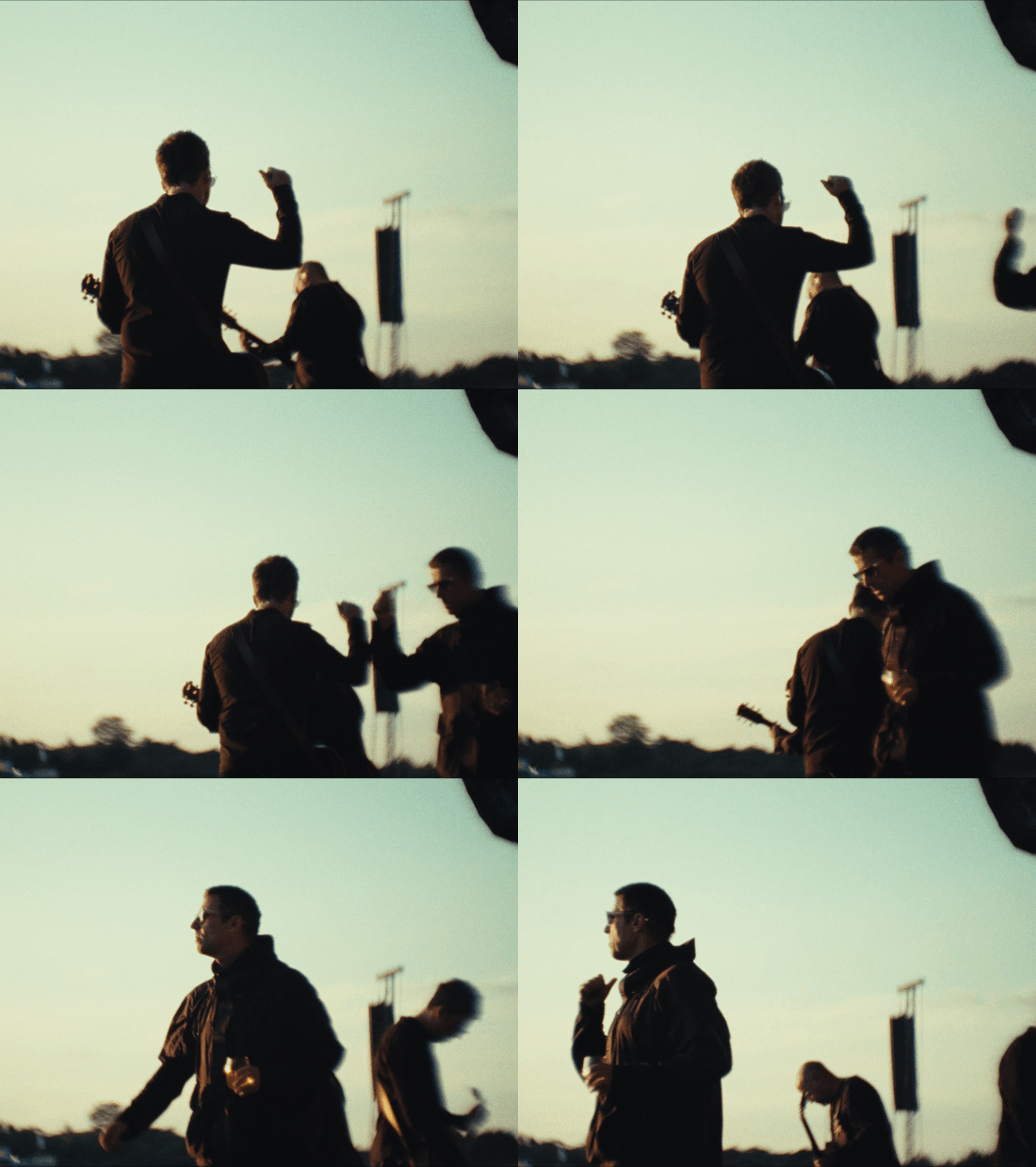
What became a way to break up a five show block was suddenly as high a priority as the main recap films themselves. Double the work for us, but with twice the reward.
As we continued to roll them out across the tour we began to perfect the content, both conceptually and technically (more on that in a moment).
Here are some of my favourites -


THE TECHNICAL.
”Hold your breath, and hope for the best” - Daniel Broadley
I’m sure it’s common knowledge by now, but we didn’t use a single tripod for any of the Postcards throughout the world tour. Moments would unravel around us in a fraction of a second and we’d need to react even quicker to get a pleasing composition, from there you would just have to hold your breath and hope for the best, remaining still enough to give the illusion that the shot wasn’t done handheld.
To achieve this we would use the strongest In-Body-Image-Stabiliser (IBIS) setting possible in the camera itself, as well as further stabilising the clips in Davinci Resolve (where we would also edit and colour grade them). Did it work every time? No. But when it did work it was nothing short of amazing to see shots pass of as if they were captured using a tripod.
Occasionally we wouldn’t be able to stabilise a clip and either let it go out with some visible camera movement, or simply save it for the recap edit where the movement fitted aesthetically.
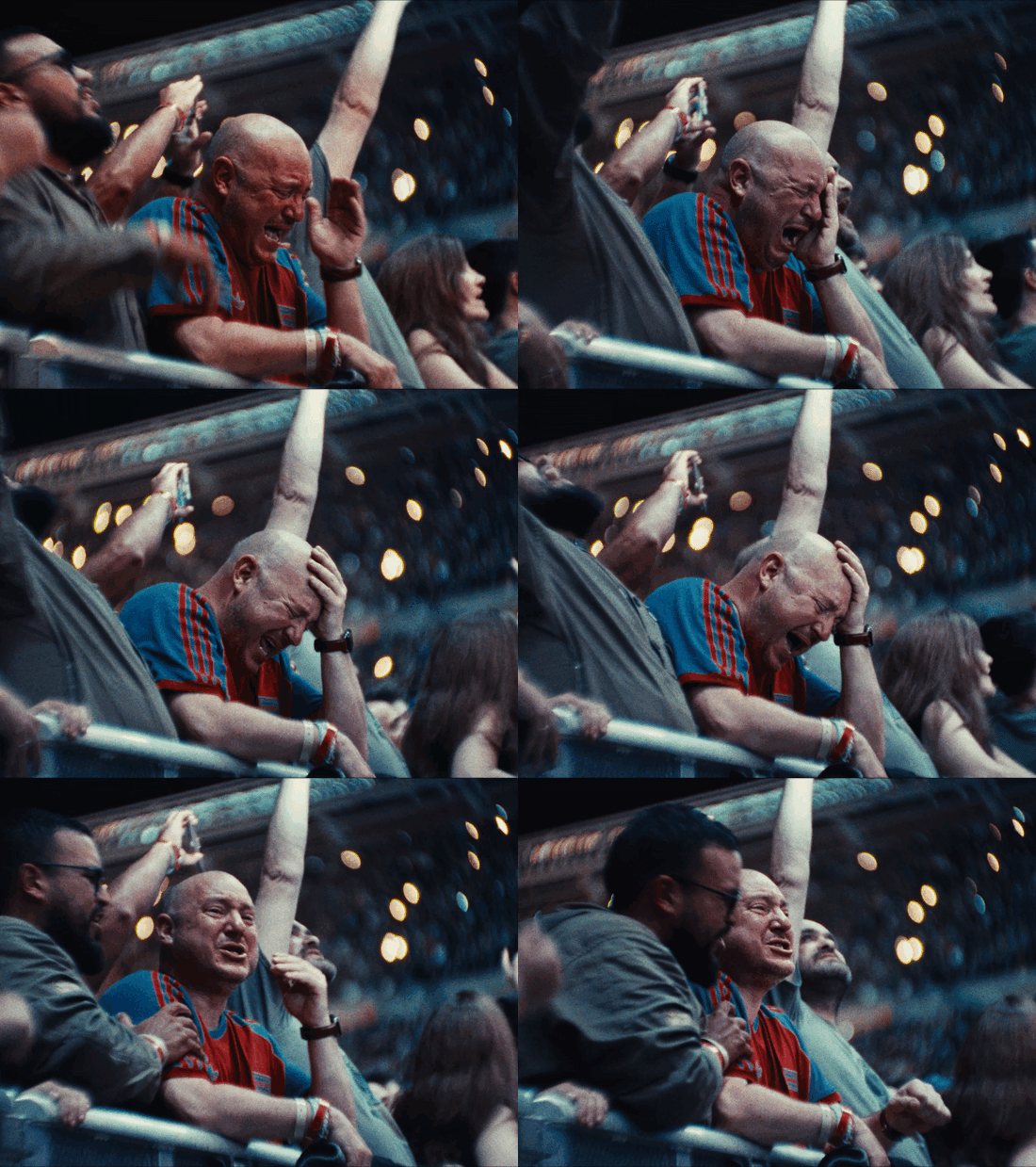
The curation process was done by our captain, Sarah Mansfield (Head of Creative at Ignition) who oversaw the entire campaign. Near the end of the tour myself and Jay took over whilst she went on annual leave and I can confirm that it was no easy feat trying to narrow down and curate it between Oasis, Noel & Liam’s social channels.
On a good night we would deliver somewhere between 40 and 60 Postcards each, on a bad night 30 or less. Bare in mind, only 30 in total would be uploaded between the three channels, that’s a lot of culling.
A lot of people asked about our choice in 4:3 aspect ratio and why we decided to then deliver in a 16x9 container with black bars either side. This was a conscious decision, a huge part of the campaign was marrying the nostalgia for the band with something more modern. The 4:3 aspect ratio is synonymous with the early career of Oasis and the media that represented them at the time, from music videos to live performances. Something about seeing the black bars either side enhances the feeling even further.
Furthermore it was so un-native to the social media platforms that it then became unique to Oasis. Even META enquired as to why we weren’t prioritising an aspect ratio that the algorithm favours. But when have Oasis ever pandered to what someone else expects of the? Everything has always been their way, on their terms, and it felt like we should be making the same decisions for the online content that was going to represent them in this new age of social media.
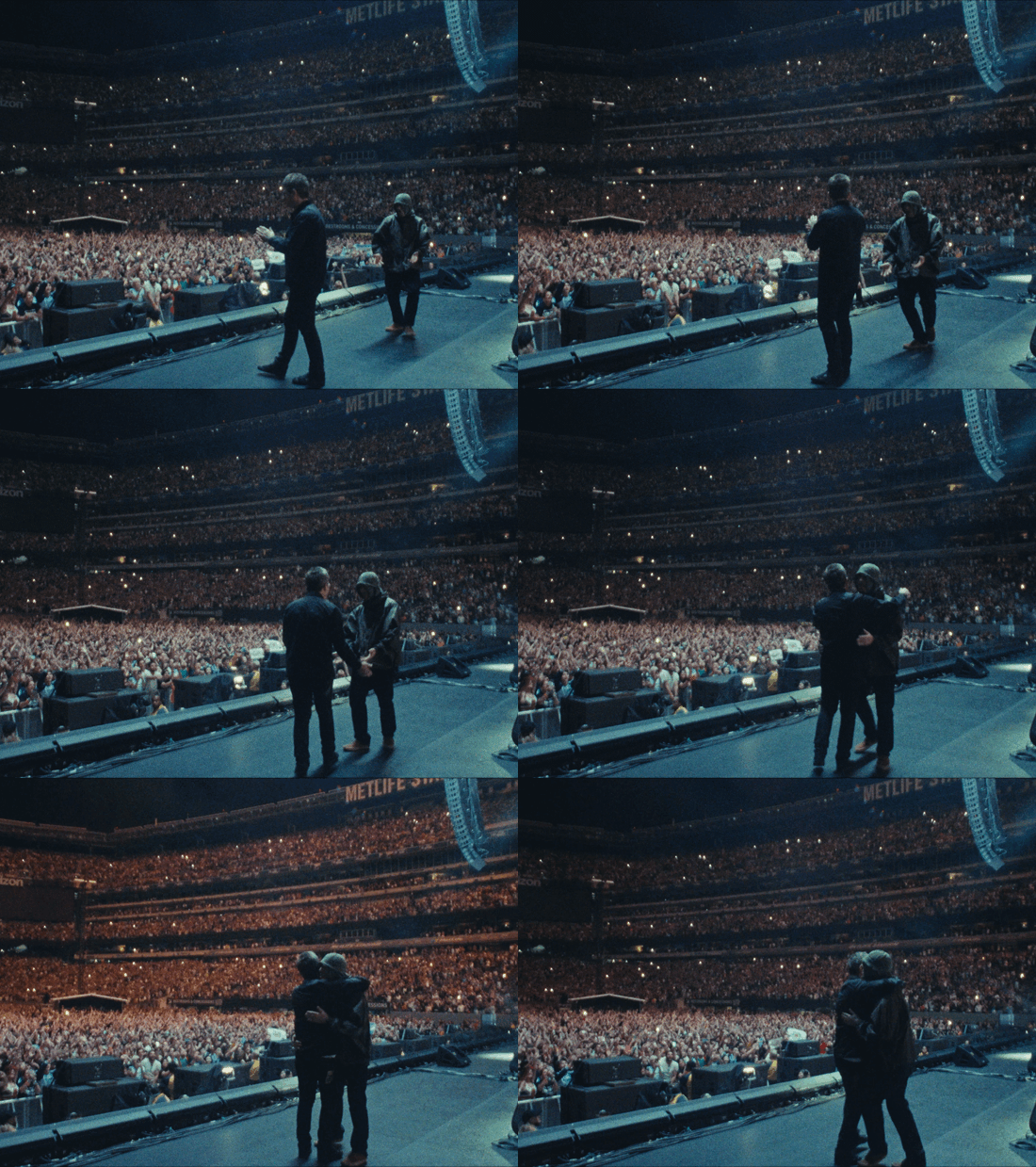
FINAL THOUGHTS.
The postcards concept reinvigorated my love for filmmaking (dramatic, but true). I’ve been so swept up in trying to create a feeling or an emotion through camera movement and editing these past few years, that I’d forgotten what it was like to simply stand still and take it all in through the lens.
I’m glad it resonated not only with fans of Oasis but with other creatives alike, who’ve since adopted the concept as their own and found unique and interesting ways to use it in their own work. It was never mine to steal, so keep standing still and waiting for those magical moments to unfold in front of the lens, I hope it grants you the same joy as it granted me throughout 2025 as I gallivanted across the globe with Oasis.
it was not common knowledge to me that no tripods were used for this. It simultaneously blew my mind and made so much sense. Incredible work. Very inspiring, y’all.
This tour truly changed my life, and a huge part of that is thanks to your work. The way you and the team captured our shared experience as fans will stay with me forever. Thank you!